The longest journey isn't across the world. It's back to yourself.
Tourism in the Indian Himalayas is often extractive. It reduces local culture, historic city centers, or natural habitats to transient backdrops for photos and quick consumption.
A visitor may walk past the debris left behind by a landslide or flood without wondering what happened here, who was affected, or what the landscape is still recovering from. Not necessarily out of indifference, but because the place is often encountered as a destination first and a living landscape second. This disconnect matters.
The trail a visitor calls a trek may be the path to the forest, the fields, the grazing grounds, the source of herbs and medicinal plants, the school, or the other side of the ridge. Walking them as if they exist for recreation alone is a quiet act of erasure — of the very people and practices that have maintained these trails for generations.
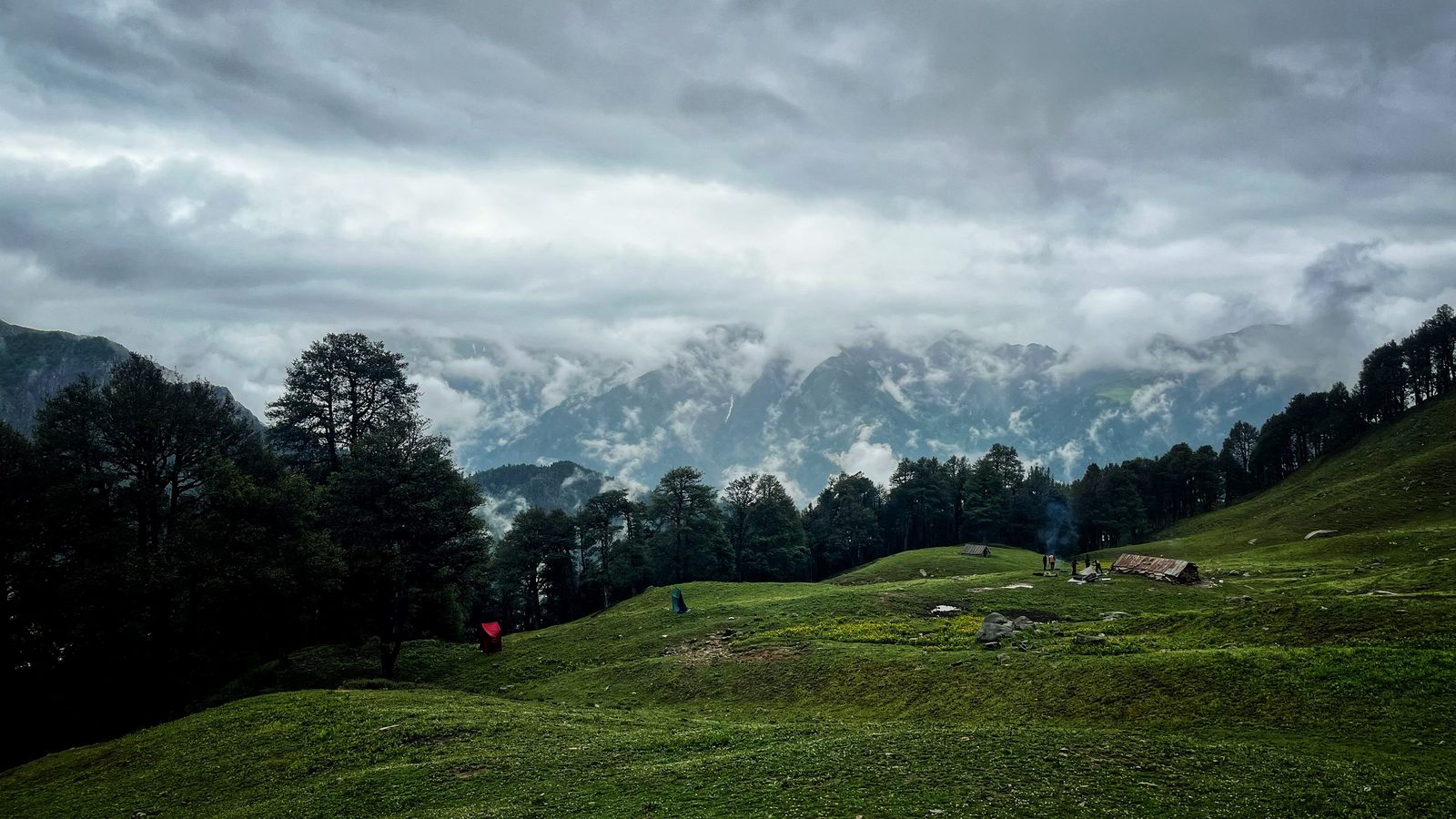
Genuine exchange between visitors and locals — a give and take, not a one-way extraction.
Respecting and protecting the environment as a living system, not a scenic backdrop.
Understanding and valuing local traditions as a way of life for the communities who hold them.
Calling a land “property” changes how we psychologically see it. It creates a separation from an ecosystem and a home, turning it into a worthy asset that we can then exploit. But ecosystems don't really work like that. There's a give and take. You take something from them, and eventually you have to give something back.
The most important journey is not between points on a map. Every experience is built around structured and unstructured moments that travel with you beyond the trail.
Local guides, SHG artisans, and families are collaborators, not service providers. Economic value stays in the valley.
We walk toward the smallest creatures first. Conservation behaviour follows understanding, which follows attention.
We work with food, festivals, and the daily lives of the communities we operate within.
We believe that everyone, regardless of gender, sexuality, identity, or background, should be able to travel, feel welcome, and find or build community along the way.
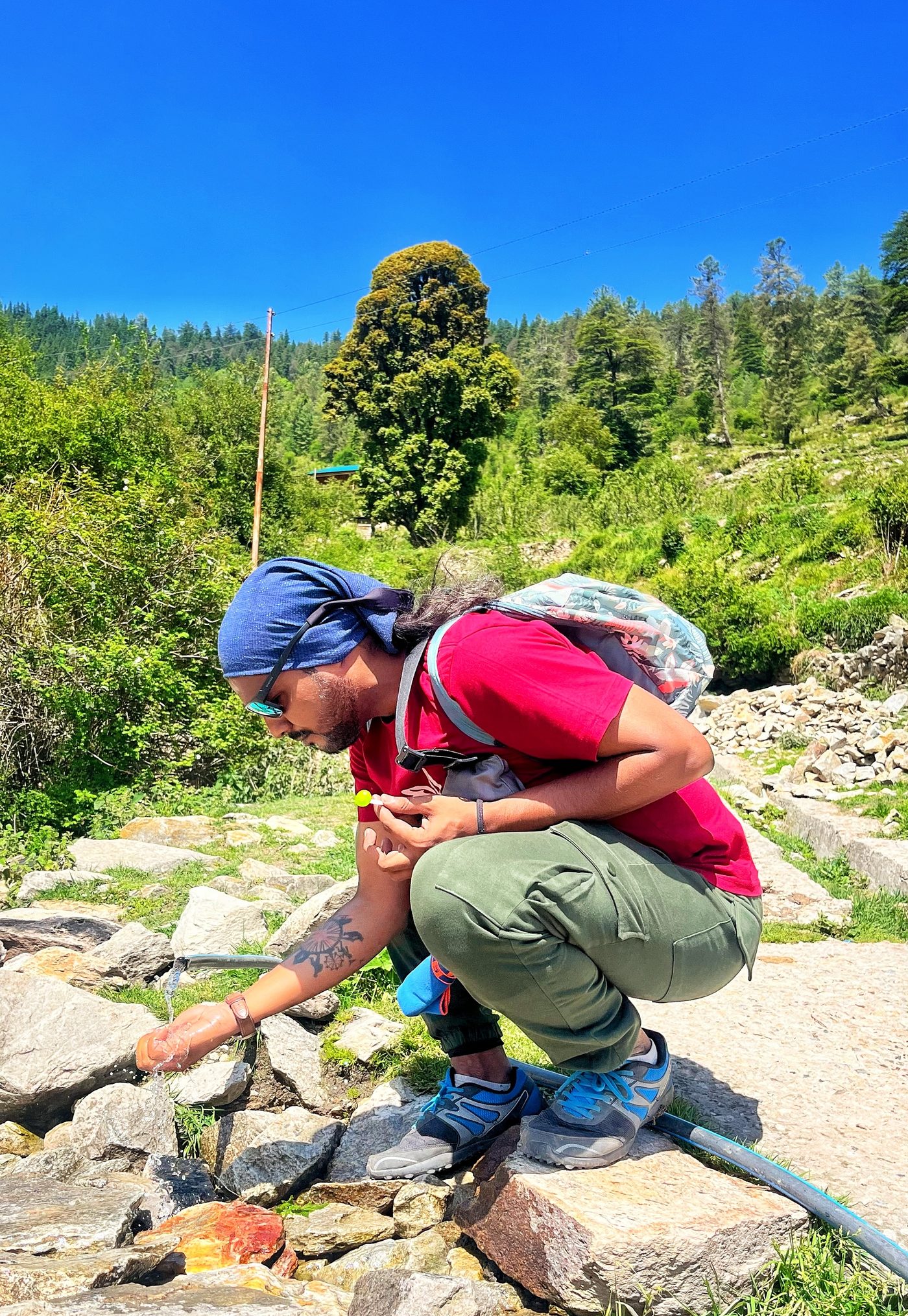
Behind every ElSi experience you sign up for, someone has spent years knowing this place. The guide who reads the mountain's moods before the clouds do. The woman who grew what is on your plate. The artisan whose family has been making what you carry home for generations.
When you pay for an ElSi experience, a meaningful portion goes directly to these people: as wages, as fair prices for their produce and craft, as rent for the land we work on. None of this is negotiable for us.
The rest sustains us, so we can keep showing up. The communities behind every ElSi experience deserve compensation that lasts longer than our gratitude.
We believe that tourism, practised with genuine reciprocity, ecological sensitivity, and cultural humility, can become a mechanism for self-discovery and community empowerment rather than extraction. The visitor's experience of transformation can also be the community's experience of transformation.
Starts with a conversation, not a booking. Tell us a little about you, and we'll take it from there.
Prefer to write or message directly? That works too.